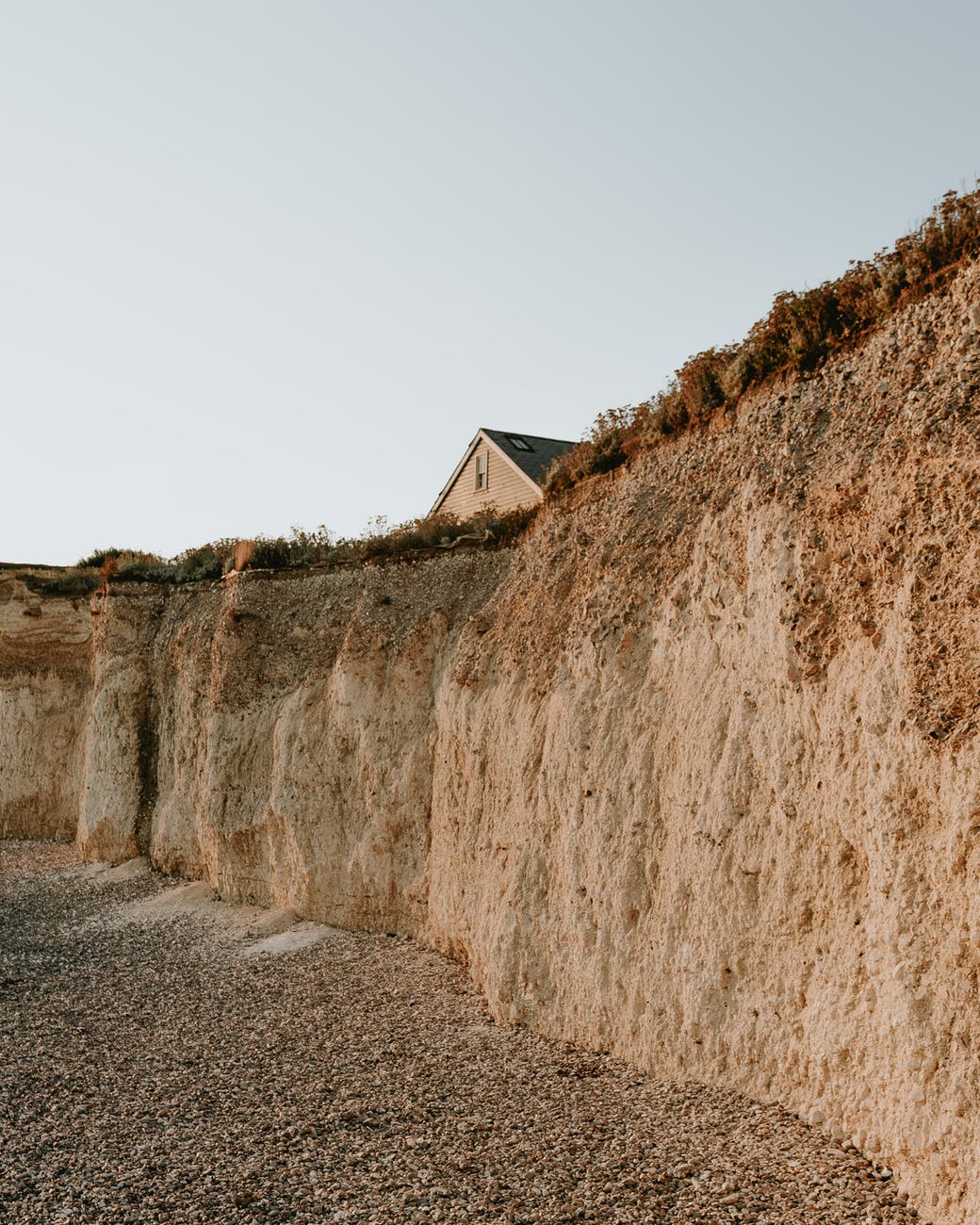
Having surfed along the coast of Michigan since 1992, I always dreamed of having a house overlooking one of the Great Lakes. I spent most of my time in the South Haven/St. Joseph area. I noticed the changing shoreline as I got older, but when my family rented out a house atop a bluff, that is when the reality set in. The house we rented was not level. After a quick once-around the property, we noticed the back of the house was very close to hanging off of a cliff. We still had a safe weekend surfing and exploring local cuisine; the only trouble we had was the crazy hike of stairs to the beach. You can really travel anywhere on the west coast of Michigan and see the cliffs which appear to be held together by roots (except near river mouths).
On a related note, I wasn’t surprised to see several articles recently on how the water level is up three feet from last year, and in occurence is the worst erosion the National Weather Service has seen since 1986 (1 weather.com). The rising water levels are not limited to the lakefront homes on the west side of the state. This year we had too much rain. It has been clogging up drainage tiles all over mid-Michigan. Whether you have a crawl space or a basement, this year has been pretty hard when it comes to our over-saturated water table.
I’ve made the north-south trek on M-13 (Durand-Montrose) since I was a kid and have always seen large fields of crops spanning each side of the road. Over the past year it was sad to see the number of farmers who couldn’t put in their crops due to the large amount of rain. The fields were just too muddy for planting. How does that have an effect on the suburbs/city? Water everywhere has to go somewhere, and you can’t stop it. All that being said, there are things you can do to manage an over-abundance of rain.
When it comes to getting lots of rain, one of the biggest threats to your home can come when you don’t have gutters that span out six feet from the house. If your gutters aren’t routed properly, instead of guiding water away from your home, they could basically be dumping the water right down to your foundation, leading to basement leaks or flooding. Be sure to check that where the water is being displaced is 6 feet from your home’s exterior.
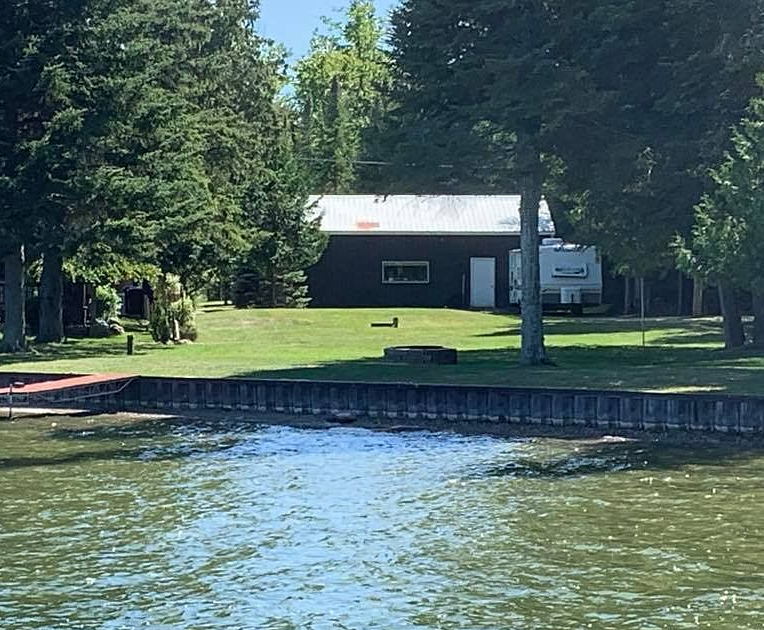
Another problem is when you get too much water, it can overwhelm your sump pump. It is a good idea to have a battery back-up system, so that if your power goes out, your pump will still be getting that pesky runoff away from your foundation. You also want to be sure you have enough horse power to handle the larger amounts of water. The area your home is in, depending on the grade, elevation, etc. will determine the specific need for your pump. My home is located in an area with very high gravel content, as well as being located next to a lake, so we actually need no sump pump at all. Our area drains so well it has never been needed. On the flip side, my dad lives in a lower elevation area and the grade around his home does not carry as much water away from it as mine does. In his case, he needs 2 two sump pumps; they are able to be used as needed.
Laser-levels can be helpful in determining how well the water will naturally flow away from your house, by making sure it is located in a higher area than the surrounding grade. If you need a laser-level to find effective gravity drainage, you can buy/rent one from your local hardware store.
In closing, the movement of water, waves, and wind will continue to shape the land despite our efforts, but a little preparation can help protect your investment.
- Found on 11-19-19, Brackett, Ron, 10-27-19, https://weather.com/news/news/2019-10-27-lake-michigan-dune-erosion-threatens-homes





 Ben & Jamie Anderson Realtors